
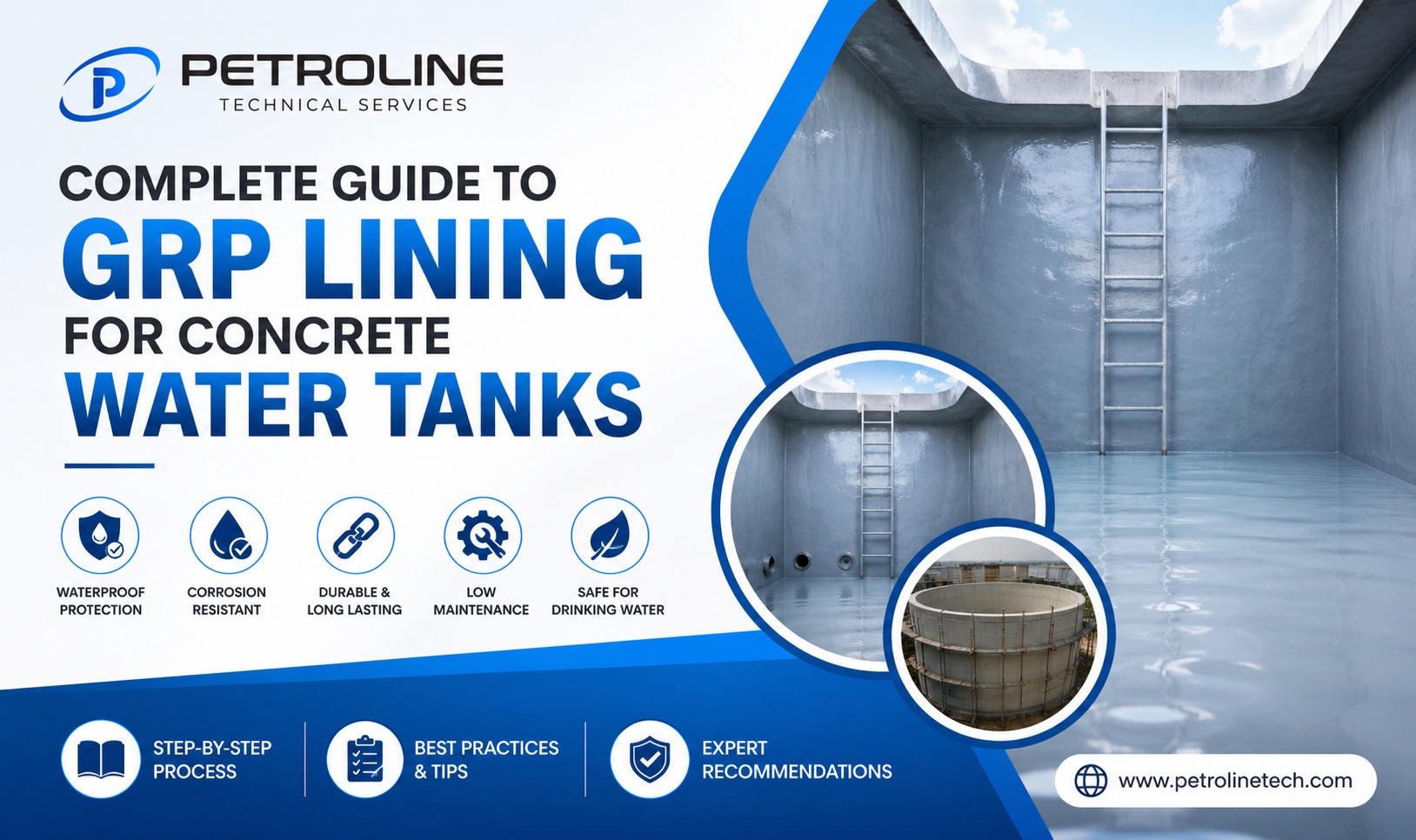
Concrete water tanks are widely used for water storage, but over time they can develop cracks, leaks, and contamination issues. This is where GRP lining for concrete water tanks becomes an essential solution. It enhances the durability of tanks while ensuring safe and hygienic water storage.
GRP lining, also known as Glass Reinforced Plastic lining, provides a seamless protective layer inside concrete tanks. It prevents water seepage, corrosion, and structural damage, making it a preferred choice for industrial, commercial, and residential applications.
In modern infrastructure projects, grp lining works are gaining popularity due to their cost-effectiveness and long-lasting performance. Whether for potable water or industrial use, GRP lining ensures superior protection against wear and tear.
This blog explores everything you need to know about grp lining, including its benefits, process, applications, and why it is the best solution for concrete water tanks.
What is GRP Lining and Why is It Important?
GRP lining is a composite material made from glass fibers and resin, designed to create a strong, waterproof, and corrosion-resistant surface. It is applied inside tanks to protect them from leakage and structural deterioration.
The importance of grp lining for concrete water tanks lies in its ability to extend the life of the tank. Concrete structures are prone to cracking due to environmental factors, and GRP lining acts as a protective barrier.
Another key advantage of grp lining works is their ability to maintain water quality. The smooth, non-porous surface prevents bacterial growth and contamination, making it suitable for potable water storage.
Additionally, GRP lining is highly resistant to chemicals, making it ideal for industrial tanks where harsh substances are stored. This makes it a versatile and reliable solution across various industries.
Benefits of GRP Lining for Concrete Water Tanks
One of the major benefits of grp lining is its excellent waterproofing capability. It eliminates leaks and prevents water loss, ensuring efficient storage.
Durability is another significant advantage. GRP lining for concrete water tanks can withstand extreme weather conditions, temperature variations, and mechanical stress without deteriorating.
Cost-effectiveness is a key factor driving the demand for grp lining works. Compared to replacing entire tanks, GRP lining offers a more affordable and long-term solution.
Moreover, GRP lining requires minimal maintenance. Once installed, it provides long-lasting protection with very little upkeep, saving both time and money.
GRP Lining Works Process Explained
The process of grp lining works begins with surface preparation. The concrete tank is cleaned thoroughly to remove dirt, debris, and loose particles.
Next, any cracks or damages in the tank are repaired to create a smooth base. This step ensures proper adhesion of the grp lining material.
After preparation, layers of glass fiber and resin are applied systematically. This creates a strong and seamless lining that bonds effectively with the concrete surface.
Finally, the lining is cured and inspected to ensure quality and durability. The result is a robust, leak-proof tank ready for long-term use.
Applications of GRP Lining
GRP lining for concrete water tanks is widely used in residential buildings to ensure safe drinking water storage. It helps maintain hygiene and prevents contamination.
In commercial properties, grp lining works are essential for maintaining large water storage systems. They ensure consistent water supply without leakage issues.
Industrial sectors also rely heavily on grp lining for storing chemicals and wastewater. Its resistance to corrosion makes it ideal for harsh environments.
Additionally, GRP lining is used in municipal water systems, ensuring reliable and safe water storage for communities.
Why Choose GRP Lining Over Traditional Methods?
Traditional waterproofing methods often fail over time due to wear and environmental exposure. In contrast, grp lining for concrete water tanks provides a more durable and long-lasting solution.
Unlike coatings that may peel or crack, grp lining forms a solid, integrated layer that remains intact for years. This ensures consistent performance without frequent repairs.
Another advantage of grp lining works is their adaptability. They can be customized to fit tanks of any size or shape, making them highly versatile.
Furthermore, GRP lining is environmentally friendly. It reduces water wastage and minimizes the need for frequent repairs or replacements.
Maintenance Tips for GRP Lined Tanks
Although grp lining requires minimal maintenance, regular inspections are recommended to ensure optimal performance.
Cleaning the tank periodically helps maintain water quality and prevents buildup of sediments. This is especially important for potable water tanks.
It is also advisable to check for any signs of damage or wear. Early detection can help prevent costly repairs in the future.
By following proper maintenance practices, grp lining for concrete water tanks can last for decades without significant issues.
Cost and Longevity of GRP Lining
The initial cost of grp lining works may vary depending on the size and condition of the tank. However, it is a cost-effective investment in the long run.
Compared to replacing or rebuilding tanks, grp lining offers significant savings while delivering superior performance.
The lifespan of grp lining for concrete water tanks can range from 15 to 25 years or more, depending on usage and maintenance.
This long lifespan makes GRP lining a preferred choice for those looking for durable and reliable water storage solutions.
Conclusion
In today’s infrastructure, grp lining for concrete water tanks has become an essential solution for ensuring durability, safety, and efficiency. Its ability to prevent leaks, resist corrosion, and maintain water quality makes it superior to traditional methods.
Whether for residential, commercial, or industrial use, grp lining works provide a reliable and long-lasting solution. With minimal maintenance and excellent performance, grp lining is the ideal choice for modern water storage systems.
FAQs About GRP Lining
Q1: What is GRP lining used for?
GRP lining is used to protect concrete tanks from leaks, corrosion, and contamination.
Q2: How long does GRP lining last?
GRP lining for concrete water tanks can last up to 25 years with proper maintenance.
Q3: Is GRP lining safe for drinking water?
Yes, grp lining works create a hygienic and non-toxic surface suitable for potable water storage.
Q4: Can GRP lining repair leaking tanks?
Absolutely. GRP lining effectively seals cracks and prevents further leakage.
Q5: Is GRP lining expensive?
While the initial cost may vary, grp lining works are highly cost-effective in the long term.